


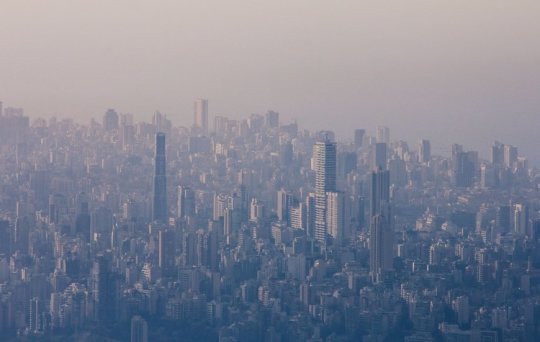
Summary:Diseases caused by pollution were responsible in 2015 for an estimated 9 million premature deaths — 16 percent of all deaths worldwide, according to a report.
Simon Fraser University health sciences professor Bruce Lanphear is a Commissioner and author of The Lancet Commission on Pollution and Health that has released a report detailing the adverse effects of pollution on global health.
“This is the first global analysis of the impacts of pollution — air, water, soil, occupational — together as well as exploring the economic costs and the social injustice of pollution,” says Lanphear. “Pollution, which is at the root of many diseases and disorders that plague humankind, is entirely preventable.”
The report features solutions and recommends how the problem can be solved. It includes examples and case studies of pollution control success.
Commission findings include:
- Pollution causes 16% of all deaths globally.
- Diseases caused by pollution were responsible in 2015 for an estimated 9 million premature deaths — 16% of all deaths worldwide — three times more deaths than AIDS, tuberculosis, and malaria combined; and fifteen times more than all wars and other forms of violence. It kills more people than smoking, hunger and natural disasters. In some countries, it accounts for one in four deaths.
- Pollution disproportionately kills the poor and the vulnerable. Nearly 92% of pollution-related deaths occur in low- and middle-income countries. Within countries, pollution’s toll is greatest in poor and marginalized communities. Children face the highest risks because small exposures to chemicals in utero and in early childhood can result in lifelong disease and, disability, premature death, as well as reduced learning and earning potential.
- Pollution is closely tied to climate change and biodiversity. Fossil fuel combustion in higher-income countries and the burning of biomass in lower-income countries accounts for 85% of airborne particulate pollution. Major emitters of carbon dioxide are coal-fired power plants, chemical producers, mining operations, and vehicles. Accelerating the switch to cleaner sources of energy will reduce air pollution and improve human and planetary health.
More: Science Daily