


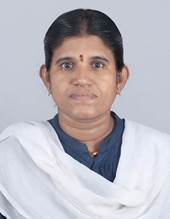
- Single parent beat odds to develop green synthesis method for compound present in a range of medicines for osteoporosis, asthma
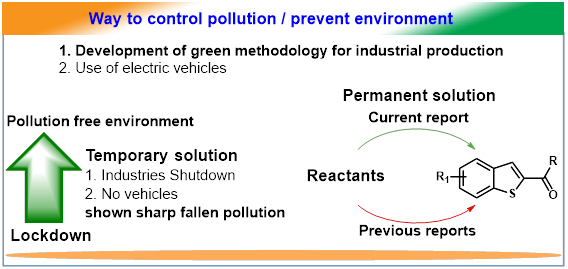
- The one-step synthesis of the compound reduces risk of explosion, decreases cost of process & obviates toxic steps involved in current method
- The new method uses water medium, room temperature, is odourless and carried out in open air
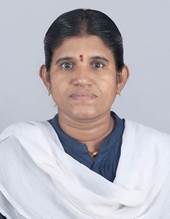
Dr E. Poonguzhali, a single parent and woman scientist at the Department of Chemistry, Indian Institute of Technology Madras, Chennai, has been granted a patent for developing a green methodology for producing a medicinally important compound called Benzo[b]thiophene.
The compound is present in a range of medicines such as raloxifene (used in osteoporosis), zileuton (used in asthma), and sertaconazole (antifungal medication) and the one-step synthesis of the 2-substituted benzo[b]thiophene can replace hazardous industrial production of the compound.
Currently, available synthesis methods of the compound like Friedel–Craft acylation, mercaptoacetate reaction, subsequent addition and oxidation etc. – all give yields ranging from good to excellent, but these are not environmentally friendly. Besides, it involves the use of very high temperatures. The disadvantages include sulphur emission with an unpleasant smell, expensive starting materials and so on. Apart from this, the reactions are carried out in closed vessels exposing the process to the risk of explosion, use of OLED lights required in the reaction increased the cost of the process, and the various steps involved needs close monitoring while the metal catalyst needed for it is toxic in nature.
Dr Poonguzhali has successfully transferred commercially available starting materials to medicinally important 2-acylbenzo[b]thiophenes in the presence of copper acetate and tetrabutylammonium chloride catalytic system in water medium and open-air atmosphere at room temperature. She worked under the WOMEN SCIENTISTS SCHEME (WOS-A) Programme of the Department of Science & Technology (DST), Govt. of India.
The new method involves using water medium, room temperature, odourless xanthate, open-air atmosphere, handling free inexpensive commercially available starting materials and catalysts in a one-pot manner. It furnished a good to an excellent yield of 2-acylbenzo[b]thiophenes.
Dr. E. Poonguzhali and Prof. G. Sekar treated commercially available 2-iodobenzaldehyde, phenacyl bromide, and xanthate sulphur source in the presence of copper acetate and tetrabutylammonium chloride catalyst to furnish 2-acylbenzo[b]thiophene in water medium at room temperature. The thiolate by-product formed usage is being explored. The remaining side products can be recovered using their solubility properties and reused after purification. The new method also reduces the risk of explosion, decreases the cost of the process and obviates the toxic and hazardous steps involved.
Elaborating on the science behind the mechanism, Dr Poonguzhali said that as water is the medium, no need for organic solvent is involved. Besides, there is no air pollution. Room temperature saves energy, and directly transferring the commercially available starting materials to medicinally essential building blocks in a one-pot manner saves workforce, energy and space. Usage of the thiolate by-product is under process. At the same time, the other side products (KI and KBr) and catalyst (copper acetate and tetrabutylammonium chloride) can be recovered and reused for the same reaction and different applications.
“My family had encouraged me to invent green methodology to replace the hazardous methods. When I started my research career with DST support, I designed the green methodology with the help of Prof. G. Sekar and Prof. Ramesh L. Gardas and succeeded in synthesizing the medicinally important compounds,” said Dr Poonguzhali.
Dr Poonguzhali adds, “My life revolves around my son and my research. My son’s support has helped me overcome the difficulties I have encountered so far and spend time on my research.”
Patent details:
Patent Grant No.: 384111; Date of Grant: 10-12-2021(Patent application No.: 201941035045 dated 30-08-2019)
Patentee: Indian Institute of Technology Madras
Inventors: 1. Govindasamy Sekar; 2. Elamvazhuthi Poonguzhali
For more details, Dr. E Poonguzhali ([email protected]) can be contacted.