


Central Public Sector Enterprises (CPSEs) under the Ministry of Coal have harnessed coal mine water resources sustainably, bringing clean water to 981 villages in nine states and benefiting approximately 17.7 lakh people. In the fiscal year 2022-23, CPSEs discharged around 8130 Lakh m3 of mine water, with 46% allocated for community use like drinking and irrigation, 49% for domestic and industrial needs, and 6% for groundwater recharge. Treatment methods ensure water suitability for these purposes, improving access to clean water for communities throughout the year. Coal mining operations have helped store and supply mine water, addressing various community requirements, including domestic use, agriculture, groundwater recharge, and industrial applications. Notable initiatives include a state-of-the-art reverse osmosis (RO) filter plant in West Bengal and water supply projects in Madhya Pradesh, emphasizing responsible and sustainable mining practices.
Reverse Osmosis Filter Plant and Water Supply Projects Enhance Access to Clean Water
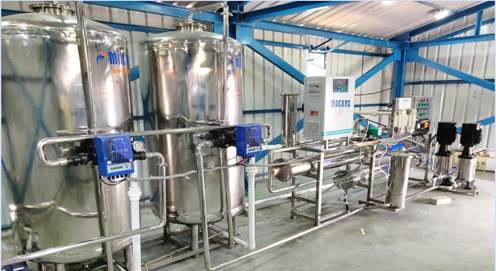
A state-of-the-art reverse osmosis (RO) filter plant with a capacity of 5000 liters per hour has been established at Ningah Colliery in West Bengal. This RO plant treats mine water, providing clean drinking water and domestic use water to nearby communities. RO technology effectively removes contaminants and impurities from water, ensuring high-quality purified water for various community needs.
In Shahdol and Anuppur districts of Madhya Pradesh, underground seepage water from Damini, Khairaha, Rajendra, and Navgaon underground mines is treated and channeled into the Sarafa River. After purification at the Sarafa Dam, the water is used for agricultural purposes in the surrounding areas. Additionally, filtration plants with a combined gross capacity of nine lakh liters have been established, benefiting over 5000 residents in the nearby villages of Khannath and Chirhiti.
These initiatives exemplify CPSEs’ commitment to responsible and sustainable mining practices, utilizing mine water resources to improve the lives of communities and protect the environment.