



Mukesh Kumar Sinha appointed Assessor – Krishna Water Disputes Tribunal
Dr. Mukesh Kumar Sinha, Retd. Chairman, Central Water Commission (CWC) has been appointed as Assessor in the Krishna Water Disputes Tribunal (KWDT) by the Appointments Committee of the Cabinet.
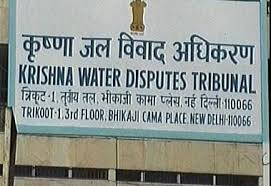
Krishna Water Disputes Tribunal – Resolving Inter-State River Water Conflicts
The Krishna Water Disputes Tribunal is one of India’s most significant river water dispute adjudication bodies, constituted to resolve disputes related to the sharing of waters of the Krishna River among riparian states. The tribunal was established under the provisions of the Inter-State River Water Disputes Act 1956, which provides the legal framework for resolving disputes concerning inter-state rivers and river valleys.
The Krishna River is one of the major rivers in southern India, flowing through the states of Maharashtra, Karnataka, Telangana, and Andhra Pradesh before draining into the Bay of Bengal. Due to increasing demand for irrigation, drinking water, hydroelectric projects, and industrial usage, disputes emerged among the states over allocation and utilization of river waters.
The first Krishna Water Disputes Tribunal, commonly referred to as KWDT-I, was constituted in 1969 under the chairmanship of Justice R.S. Bachawat. The tribunal examined historical usage, irrigation requirements, river basin characteristics, and future developmental needs before issuing its award in 1973. The award allocated water shares among the participating states and laid down principles for water utilization and project regulation.
With changing political boundaries, rising water demand, and new irrigation projects, further disputes emerged over the years. Consequently, the second Krishna Water Disputes Tribunal, known as KWDT-II, was constituted in 2004 under Justice Brijesh Kumar. The tribunal revisited issues related to surplus water allocation, project clearances, and equitable distribution among successor states, particularly after the bifurcation of Andhra Pradesh and creation of Telangana in 2014.
The tribunal plays a crucial role in balancing competing interests of states while ensuring sustainable and equitable utilization of water resources. It examines technical reports, hydrological data, environmental concerns, irrigation requirements, and legal arguments before issuing recommendations and awards. The tribunal’s proceedings often involve detailed consultations with central agencies, state governments, engineers, water experts, and legal representatives.
Water disputes in India are highly sensitive because agriculture, drinking water supply, and rural livelihoods depend heavily on river systems. The Krishna basin supports millions of farmers and numerous irrigation projects, making water allocation a matter of economic and political significance. Decisions of the tribunal therefore have far-reaching implications for regional development, agricultural productivity, and interstate relations.
The tribunal’s awards also influence the planning and execution of major infrastructure projects such as dams, reservoirs, lift irrigation schemes, and hydropower projects. States often seek modifications or clarifications regarding allocations, leading to continued legal and administrative discussions even after tribunal awards are issued.
In recent years, climate variability, irregular rainfall, groundwater stress, and increasing urban demand have intensified concerns regarding water management in the Krishna basin. These developments have further highlighted the importance of scientific water governance, cooperative federalism, and institutional mechanisms such as the Krishna Water Disputes Tribunal.
The tribunal remains an important example of India’s constitutional and legal approach to resolving inter-state resource disputes through institutional mechanisms rather than political confrontation. Its work continues to shape water governance policies and inter-state coordination in southern India. Developments related to water disputes and administrative appointments connected with river management frequently appear in Indian Bureaucracy Latest News, Indian Bureaucracy Transfers News, and Top Indian Bureaucracy News.
For more updates on governance, policy matters, and Indian Bureaucracy Appointments, readers often refer to IndianBureaucracy.com
Indian Bureaucracy News wishes Dr. Mukesh Kumar Sinha the very best.