


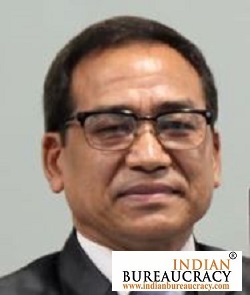
Shri M S Patiyal YOA (2007) presently posted at Embassy of India, Tunis, has been appointed as the next Ambassador of India to the Democratic Republic of Timor Leste.
The Democratic Republic of Timor-Leste, also known as East Timor, is a small but resilient nation located in Southeast Asia, occupying the eastern half of the island of Timor along with the exclave of Oecusse and the islands of Atauro and Jaco. Bordered by Indonesia and surrounded by the Timor Sea, Timor-Leste holds a unique position at the crossroads of Asian and Pacific cultures. Despite its modest size and population, the country’s history, struggle for independence, and ongoing nation-building efforts make it one of the most compelling modern states in the world.
Timor-Leste’s history is marked by centuries of foreign rule and resistance. The Portuguese colonized the territory in the 16th century, introducing Christianity and shaping its linguistic and cultural identity. Following the Portuguese withdrawal in 1975, Timor-Leste briefly declared independence, only to be invaded and annexed by Indonesia later that year. The subsequent 24-year occupation was characterized by widespread human rights violations and the loss of a significant portion of the population. International attention and persistent resistance by the Timorese people eventually led to a UN-sponsored referendum in 1999, in which an overwhelming majority voted for independence. After a transitional period under the United Nations, Timor-Leste became a fully sovereign nation on 20 May 2002.
Politically, Timor-Leste is a democratic republic with a semi-presidential system. The President serves as the head of state, while executive authority rests primarily with the Prime Minister and the Council of Ministers. Since independence, the country has conducted multiple peaceful elections, reflecting a strong commitment to democratic principles despite institutional and economic challenges. Prominent leaders such as Xanana Gusmão and José Ramos-Horta—both key figures in the independence movement—have played crucial roles in shaping the nation’s political landscape. While political rivalry exists, it has largely been managed through constitutional means, contributing to relative stability in the region.
Economically, Timor-Leste remains a developing country, heavily dependent on oil and gas revenues from the Timor Sea. These resources have funded much of the national budget through the Petroleum Fund, a sovereign wealth fund designed to ensure long-term financial sustainability. However, declining reserves and fluctuating global energy markets pose serious challenges. Outside the petroleum sector, the economy is largely agrarian, with subsistence farming employing a significant portion of the population. Coffee is the country’s most important non-oil export. Diversifying the economy, improving infrastructure, and creating employment opportunities—especially for youth—are among the government’s top priorities.
Culturally, Timor-Leste reflects a rich blend of indigenous traditions and Portuguese influences. Tetum and Portuguese are the official languages, while several local languages are spoken across different regions. Roman Catholicism plays a central role in social life, practiced by the vast majority of citizens and serving as a unifying force during the independence struggle. Traditional customs, music, dance, and communal rituals remain deeply embedded in daily life, reinforcing strong social bonds and respect for ancestral heritage.
Despite progress, Timor-Leste faces significant social challenges, including poverty, limited healthcare access, and gaps in education. However, the nation’s youthful population, strategic location, and growing engagement with regional organizations such as ASEAN offer opportunities for future growth. Timor-Leste’s journey from colonization and conflict to independence and democracy stands as a powerful testament to the determination of its people. While the road ahead is complex, the country continues to strive toward sustainable development, national unity, and a stable place in the international community.
Indian Bureaucracy Dot Com wishes Shri Mahendra Singh Patiyal the very best.