


While India’s 2.65 lakh Gram Panchayats are moving towards digital transformation, Jharkhand has already achieved near-100% coverage, with all 4,343 Gram Panchayat Development Plans uploaded on eGramSwaraj for 2025-26. The state is demonstrating how a blend of technology and effective execution can transform rural governance for 25 million citizens. Digital help desks and trained Panchayat Sathis are ensuring last-mile delivery of services, while certificate processing times have been reduced from weeks to days. Real-time MNREGA payment tracking and easier pension access for women and marginalized groups have further strengthened transparency and inclusion. Jharkhand’s efforts have also been recognized at the national level through e-Governance awards. In addition, Minister Singh’s “Digital Gram Mitra” program is creating local digital facilitators, empowering communities from within. This story is not only about governance efficiency, but also about restoring dignity to rural citizens by bringing democracy to their fingertips.

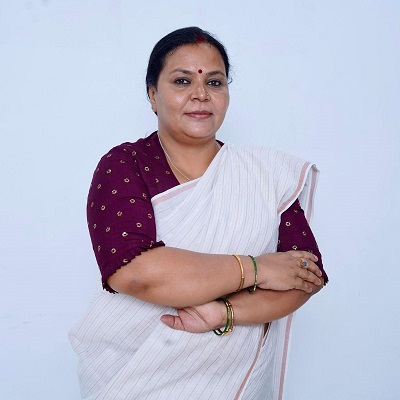
Minister Dipika Pandey Singh‘s strategic approach makes Jharkhand a standout performer in the nationwide Digital Panchayat initiative. Digital Panchayat essentially puts village governance online—allowing citizens to access certificates, track government schemes, monitor budgets, and file complaints through smartphones or local digital centers. It’s India’s most ambitious attempt to digitize grassroots democracy.
In this nationwide transformation, Jharkhand is clearly emerging as a winner. While India’s 2.65 lakh Gram Panchayats are going digital, with ₹61,000 crore flowing through online channels, Jharkhand has achieved nearly 100% coverage, with all 4,343 Gram Panchayat Development Plans uploaded on eGramSwaraj for 2025-26. This puts the state ahead of many larger, more resourced states in actually making Digital Panchayats work for its 25 million rural citizens.
The Jharkhand Success Formula | What sets Jharkhand apart isn’t just technology—it’s execution. Under Rural Development Minister Dipika Pandey Singh’s leadership, the state has created a comprehensive ecosystem where digital tools solve real problems. Village-level digital help desks, trained Panchayat Sathis, and mandatory daily attendance for secretaries ensure the system works on the ground.
The results are visible: certificate processing dropped from weeks to days, MNREGA payments are tracked in real-time, and women and marginalized groups access pensions without traveling to distant offices. This isn’t just efficiency—it’s dignity restored to rural governance.
Singh’s Strategic Vision | Dipika Pandey Singh brings unique credentials to this transformation. Her MBA in Information Technology from Xavier Institute, combined with grassroots political experience from reviving Congress in Godda district, positions her to bridge the technology-governance divide.
Her hands-on approach shows in January 2025 review meetings where she mandated digital integration across schemes like MNREGA and Abua Housing. Her “Digital Gram Mitra” program trains local youth as digital facilitators, creating sustainable community support.
“Our priority is to ensure that the benefits of rural development schemes reach every corner of Jharkhand. Digital Panchayats represent the empowerment of our villages, making governance transparent, accountable, and truly citizen-centric. We are committed to strengthening Panchayati Raj Institutions through digital means to improve the quality of life in rural Jharkhand,” says Minister Singh.
National Recognition and Future Vision | Jharkhand’s efforts have earned national e-governance awards, including recognition for the Sampurna Shiksha Kavach program in Latehar district.
Singh’s vision extends beyond current achievements. The state is pioneering “self-reliant Panchayats” through programs like “Phulera Ka Panchayati Raj,” using digital citizen participation to boost Own Source Revenue and reduce external funding dependency. Plans include expanding voice-enabled kiosks in regional languages and mobile-based access for elderly citizens.
Beyond Technology: Democratic Empowerment | What makes Jharkhand’s story compelling isn’t just the technology—it’s the democratic empowerment it enables. When a tribal woman in remote Khunti district can check her pension status on a smartphone instead of traveling 50 kilometers to the Block office, that’s not just convenient. Its power is shifting closer to the people.