


Summary:Atmospheric carbon dioxide (CO2) levels have increased significantly over the last 50 years, resulting in higher global temperatures and abrupt changes to Earth’s climate. Carbon capture and storage (CCS) is one of the new technologies that scientists hope will play an important role in tackling the climate crisis. It involves the capture of CO2 from emissions from industrial processes, or from the burning of fossil fuels in power generation, which is then stored underground in geological formations. CCS will also be key if we want to produce ‘clean-burning’ hydrogen from hydrocarbon systems.
Atmospheric carbon dioxide (CO2) levels have increased significantly over the last 50 years, resulting in higher global temperatures and abrupt changes to Earth’s climate. Carbon capture and storage (CCS) is one of the new technologies that scientists hope will play an important role in tackling the climate crisis. It involves the capture of CO2 from emissions from industrial processes, or from the burning of fossil fuels in power generation, which is then stored underground in geological formations. CCS will also be key if we want to produce “clean-burning” hydrogen from hydrocarbon systems.
The UK government recently selected four sites to develop multi-billion-pound CCS projects as part of its scheme to cut 20-30m tonnes of CO2 per year by 2030 from heavy industry. Other countries have made similar carbon reduction commitments.
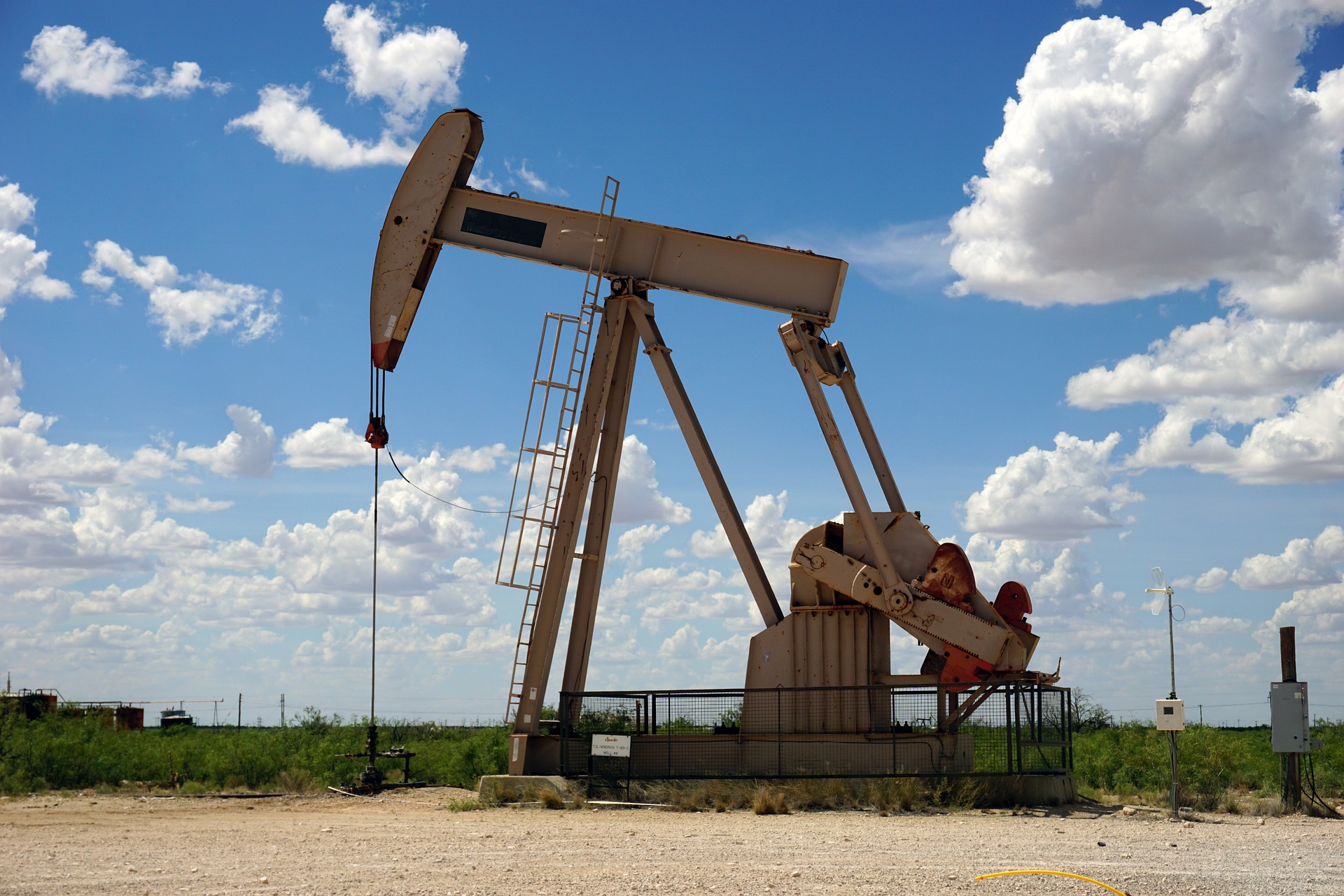
Depleted hydrocarbon reservoirs have a smaller (10%) storage potential compared to deep saline aquifers but are seen as a critical early opportunity in developing geological CO2 storage technologies. Fortuitously, CO2 has historically been injected into numerous depleted hydrocarbon reservoirs as a means of enhanced oil recovery (CO2-EOR). This provides a unique chance to evaluate the (bio)geochemical behaviour of injected carbon over engineering timescales.
‘CCS will be a key tool in our battle to avert climate change. Understanding how CCS works in practice, in addition tocomputer modelling and lab-based experiments, is essential to provide confidence in safe and secure CO2 geologicalsequestration.’ Said Dr. Rebecca Tyne, Dept Earth Science, The University of Oxford
In a paper published, today in Nature, Dr. Rebecca Tyne and Prof. Chris Ballentine from Oxford University, lead a team of international collaborators to investigate the behaviour of CO2 within a CO2-EOR flooded oil field in Louisiana, USA. They compared (bio)geochemical composition of the CO2-EOR flooded field with that of an adjacent field, which was never subjected to CO2-EOR. Data suggest that up to 74% of CO2 left behind by CO2-EOR was dissolved in the groundwater. Unexpectedly, it also revealed, that microbial methanogenesis converted as much as 13-19% of the injected CO2 to methane, which is a stronger greenhouse gas than CO2.
This study is the first to integrate state of the art isotopic tracers (noble gas, clumped and stable isotope data) with microbiological data to investigate the fate of the injected CO2.
‘Methane is less soluble, less compressible and less reactive than CO2, so, if produced, the reduces the amount of CO2 we can safely inject into these sites. However, now this process has been identified, we can take it into account in future CCS site selection.’ Said Prof. Chris Ballentine, Dept. Earth Sciences, The University of Oxford.
Additionally, the authors suggest that this process is occurring at other CO2-rich natural gas fields and CO2-EOR oil fields. Temperature is a critical consideration, and many CCS geological targets will be too deep and hot for microbesto operate. However, if CO2 leaks from deeper hot systems into similar shallower colder geological structures, where microbes are present, this process could occur. This research is critical for identifying future CCS targets, establishing safe baseline conditions and long-term monitoring programs, which are essential for low-risk, long-term carbon storage.
More :Science Daily