


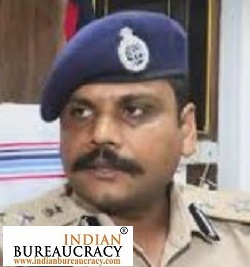
Naveen Chandra Jha IPS appointed as DIG- Indo-Tibetan Border Police
Shri Naveen Chandra Jha IPS (Bihar 2009) has been appointed as Deputy Inspector General in Indo-Tibetan Border Police(ITBP) as per usual terms and conditions of central deputation.
The post of Deputy Inspector General (DIG) in the Indo-Tibetan Border Police (ITBP) is a senior leadership position entrusted with both operational command and administrative oversight in one of India’s premier border guarding forces. The ITBP is primarily responsible for securing India’s borders along the high-altitude frontier with China, making the role of a DIG particularly demanding due to the extreme terrain and strategic sensitivity of the region.

A DIG in ITBP typically commands a Sector, which comprises multiple battalions deployed across various forward and remote border posts. These posts are often located in difficult mountainous terrain, including areas in the Himalayas where climatic conditions are harsh and infrastructure is limited. The DIG is responsible for ensuring operational readiness, effective border surveillance, and quick response to any potential threats such as incursions, smuggling, or other trans-border activities.
Operational responsibilities form the core of the DIG’s role. They supervise border management strategies, coordinate patrols, and ensure that intelligence inputs are effectively utilized. In sensitive areas, the DIG works in close coordination with the Indian Army and other security agencies to maintain a robust security grid. Given the evolving nature of border security challenges, the DIG must ensure that troops are well-trained, equipped, and prepared to operate in high-altitude and extreme weather conditions.
On the administrative front, the DIG oversees personnel management within their sector. This includes discipline, welfare, training, and career progression of officers and jawans. Maintaining morale is particularly important in ITBP due to the isolation and physical hardships faced by personnel. The DIG ensures that adequate facilities, medical support, and communication systems are available to troops stationed in remote areas.
Logistics and infrastructure development are also key responsibilities. The DIG supervises the supply of essential materials such as food, clothing, specialized equipment, and high-altitude gear. They also monitor the development of border infrastructure, including roads, helipads, and communication networks, which are critical for operational efficiency.
In addition, the DIG plays a significant role in disaster response and humanitarian assistance. ITBP is often called upon for rescue and relief operations during natural disasters such as avalanches, earthquakes, and floods in mountainous regions. The DIG coordinates such efforts, ensuring timely and effective response.
Officers appointed as DIGs in ITBP usually have extensive experience in field operations and administration, often drawn from the Indian Police Service or promoted from within the force. The position requires strong leadership, physical endurance, and the ability to make critical decisions in challenging environments.
In conclusion, the Deputy Inspector General in the Indo-Tibetan Border Police serves as a crucial link between strategic command and ground-level execution. By ensuring effective border management, maintaining troop welfare, and coordinating with multiple agencies, the DIG plays a vital role in safeguarding India’s high-altitude frontiers and national security.
Indian Bureaucracy News wishes Shri Naveen Chandra Jha the very best.