


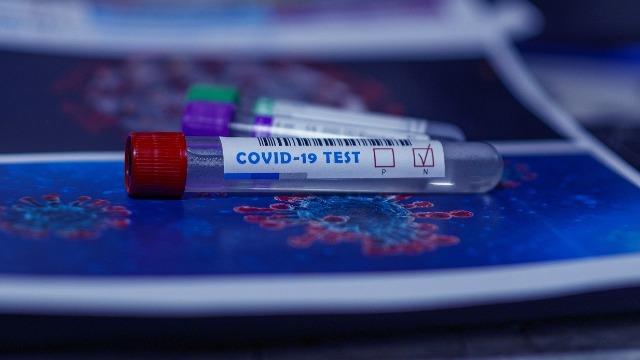
Summary:Researchers have found that the chance of a false negative result — when a virus is not detected in a person who actually is, or recently has been, infected — is greater than 1 in 5 and, at times, far higher.
One of the most commonly used diagnostic tools, particularly during this pandemic, is the reverse transcriptase polymerase chain reaction test (RT-PCR), which uses a person’s respiratory sample to detect viral particles and determine if the person may have been exposed to a virus.
Laboratory professionals across the U.S. and the globe have used RT-PCR to find out if a person has been infected with SARS-CoV-2, the virus that causes COVID-19. These tests have played a critical role in our nation’s response to the pandemic. But, while they are important, researchers at Johns Hopkins have found that the chance of a false negative result — when a virus is not detected in a person who actually is, or recently has been, infected — is greater than 1 in 5 and, at times, far higher. The researchers caution that the predictive value of these tests may not always yield accurate results, and timing of the test seems to matter greatly in the accuracy.
In the report on the findings published May 13 in the journal Annals of Internal Medicine, the researchers found that the probability of a false negative result decreases from 100% on Day 1 of being infected to 67% on Day 4. The false negative rate decreased to 20% on Day 8 (three days after a person begins experiencing symptoms). They also found that on the day a person started experiencing actual symptoms of illness, the average false negative rate was 38%. In addition, the false negative rate began to increase again from 21% on Day 9 to 66% on Day 21.
The study, which analyzed seven previously published studies on RT-PCR performance, adds to evidence that caution should be used in the interpretation of negative test results, particularly for individuals likely to have been exposed or who have symptoms consistent with COVID-19.
More: Science Daily