


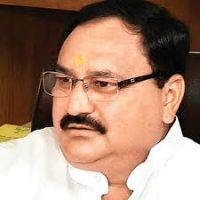
Shri Jagat Prakash Nadda, Union Minister of Health & Family Welfare addressed the UNGA High Level Meeting on HIV/AIDS at New York.
Following is the text of the address:
I am happy to join all of you today for this High Level meeting on HIV/AIDS. I also commend the efforts of the Permanent Representatives of Switzerland and Zambia for steering the difficult negotiations of the draft Declaration to a successful conclusion.
We have come a long way in our collective fight against the spread of the AIDS epidemic that had engulfed large sections of population across the world. Strong political will and concerted targeted action over the last decade and a half have contributed to strong achievements in pushing back the epidemic.
The number of HIV affected people living on antiretroviral therapy has increased substantially and the number of annual AIDS-related deaths has gone down considerably. These remarkable successes have demonstrated that the target of ending the AIDS epidemic by 2030 is realistic. Sustained political commitment and action is necessary to address the scale of challenge that still lies ahead.
India, which faced the specter of disastrous consequences on account of AIDS epidemic 15 years back, has been able to manage the challenge effectively. Deaths due to AIDS have been reduced by nearly 55% since 2007. New HIV infections have been reduced by 66% since 2000 and around 1 million people affected by AIDS are currently on antiretroviral therapy. Targeted interventions based on close collaboration with and empowerment of communities and civil society with appropriate funding from the government have helped deliver key life saving services to the affected population.
These remarkable successes would not have been possible without access to affordable medicines. The low cost generic medicines produced by the Indian pharmaceutical industry have been instrumental in scaling up access to HIV treatment not only in India but in other parts of the world, especially in the developing countries most affected by this scourge. More than 80% of the antiretroviral drugs used globally are supplied by the Indian pharmaceutical industry. The accessibility and affordability of drugs has helped save millions of lives around the world.
India is proud of being one of the leading partners in the global fight against AIDS epidemic. We are collaborating actively with a range of partner countries and other stakeholders including the UNAIDS.
I, along with a number of African colleague Ministers, discussed various aspects of this issue at a special multi stakeholders event on the sidelines of the Third India-Africa Forum Summit hosted by India last October in New Delhi. Only a few days back at the 69th Session of the World Health Assembly in Geneva, my ministerial colleague on behalf of the BRICS Ministerial grouping hosted a very well attended discussion on the importance of affordability of medicines. Also last October the BRICS health ministers reinforced their commitment to put their countries on the fast track to end the AIDS epidemic by 2030.
I would like to propose five ways in which the global family can act together in the next five years.
Firstly, we agree that we must adopt the fast-track targets proposed by UNAIDS. Reaching 90% of all people in need with HIV treatment and prevention must be our primary goal. Prevention must not be forgotten, even as we provide treatment for all people living with HIV. This is a time when we must maximize the impact of all known prevention and treatment efforts. HIV service delivery can become a model for expanding health coverage to all aspects of health.
Second, increase investments. The role of international assistance and cooperation cannot be underestimated. This is the time for developed countries to do more, not less, and enhance their commitments. We cannot afford to give the epidemic a chance to rebound.
Third, ensure access to affordable medicines and commodity security. India is committed to maintain the TRIPS flexibilities. We reiterated this commitment last year during the Third India-Africa Summit, responding to call from our brothers and sisters in Africa.
Fourth, creating an inclusive society that values every human life. Our success in targeted interventions comes from our belief in restoring the respect and dignity of individuals. Vulnerable populations, particularly women and girls need protection from sexual abuse, exploitation and violence. Societal change is slow, but we must not give up on the principal value that all men and women are created equal.
And Fifth, global solidarity. We are in this fight together to end the AIDS epidemic. All forms of cooperation including North-South, South-South cooperation, multilateral and bilateral cooperation; and collaboration between governments, private sector and civil society must be strengthened. The multi-sectoral response to AIDS should not be sacrificed in favour of a narrow bio-medical approach. The only way we can decisively finish the epidemic is by being united in our efforts.
Mr. President,
This high level meeting will leave a mark in history. Let it be remembered as a time when the world took bold decisions based on science, and narrow divisions were buried in favour of creating an inclusive society, paving the way to end one of most devastating modern scourges.