


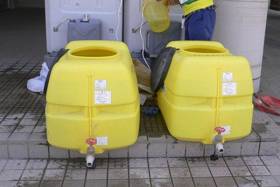
Summary:The devastating Great East Japan Earthquake on March 11, 2011 displaced some 500,000 people to evacuation shelters. A research team that conducted regular visits to shelters to assess their status and inhabitants well-being have analyzed their data and found that about half of shelters had inadequate clean tap water and toilets, leading to worsening health outcomes for inhabitants.
Regular, standardized assessments of evacuation shelters can help keep people healthy following natural disasters, according to research published by Tohoku University scientists and colleagues in the journal Heliyon. The study found that a clean tap water supply and hygienic toilets were especially important for protecting evacuees from the spread of infectious diseases.
“A clean water supply and maintaining hygiene are important for reducing environmental health risks among victims of natural disasters,” says Tadashi Ishii, who specializes in disaster medicine at Tohoku University. “But scientists have not yet established a strong evidence base that describes the relationship between damage in resource supplies and infrastructure on the one hand and disaster victims’ health status on the other.”
Ishii led the Ishinomaki Zone Joint Relief Team following the Great East Japan Earthquake of March 11, 2011. More than 15,000 people died and 2,500 went missing following the disaster, with some 500,000 evacuated to shelters across Japan. It took nearly a year before all shelters were shut down.
The team conducted regular visits to the shelters in order to assess resource availability, infrastructure, and the health status and needs of people residing in the shelters. Now, Ishii and his research team have analysed these 2011 records to evaluate the impacts of resource supply levels and infrastructure damage on the physical health of evacuees.
Their study included 28 mid- to large-sized shelters regularly assessed in the weeks following the earthquake. The study looked specifically at changes made to resources and infrastructure between days 14 and 25 after the earthquake.
The team found that inadequate clean tap water and toilets were insufficiently improved during the assessment period in about half the shelters. Clinical symptoms of common respiratory and gastrointestinal infections were more prevalent in shelters where these two resources had not improved. Shelters that were able to improve the supply of clean tap water and toilet hygiene witnessed significant reductions in the prevalence of gastrointestinal symptoms among evacuees.
“Our study demonstrated the difficulty of quickly collecting objective assessment data from evacuation shelters during the acute phase of a massive disaster,” says Ishii. “It also shows the validity of quick visual assessments of resources by trained staff. Importantly, the study reveals the importance of rapidly restoring clean water supply and toilet hygiene in shelters to reduce environmental health risks among evacuees.”
Ishii and his team next plan to develop easy, reliable and quick assessment tools for evaluating resource damage and health status in evacuation shelters. He also stresses the importance of collaborating with local governments to set up effective supply chains that can rapidly deploy clean water and hygienic rescue toilets in the aftermath of natural disasters.
More: Science Daily