


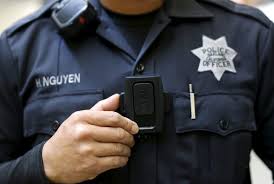
Summary:Better-designed body cameras could improve the quality of evidence in cases of police use of force and potentially reduce the frequency of such interactions.
Challenges reported by both police and the public surrounding usability issues with the vast array of body cams and recording functionality prompted a study by human factors/ergonomics (HF/E) researchers from Wichita State University. In their just-published Ergonomics in Design article, “Design Considerations in the Proliferation of Police Body-Worn Cameras,” Joel Suss and colleagues identify limitations and provide some guidelines for designers.
“Usability issues have received relatively little attention” from the media, the public, or researchers, the authors report. In the article, they summarize some of the issues with existing cameras, including positioning on the body, stability of mounts, camera visibility and activation, data transfer, and interpretability of footage. Body cam usability, they feel, is ripe for examination by other HF/E researchers and particularly by designers, which could lead to better systems.
Working with the Wichita (Kansas) Police Department, Suss et al. equipped officers of various heights, weights, and body types with cameras mounted in different locations on the body to determine which locations were the most effective. The officers performed 35 different live-fire drills while wearing the cameras. Initial analysis showed that cameras mounted on the head (glasses, baseball cap) offered the most complete view of the target compared with cameras worn on the torso (e.g., shoulders, chest).
In addition, the authors believe their video data “can serve as training stimuli for artificial intelligence systems that are being developed to automatically analyze, categorize, and redact body-worn camera footage.” Suss notes, “By understanding the advantages and disadvantages of different camera-mounting locations, law enforcement agencies can provide guidance to officers that will help maximize the quality of body-worn camera footage. Not only will this benefit the public and the criminal justice system, but such footage can also serve as the basis for developing cognitive training designed to enhance officers’ safety and decision-making performance under stress.”
More: Science daily