


Summary:New strategy aims to ensure safe, effective and affordable treatment for all; empower communities at all levels to take proactive action; strengthen health systems to deliver better outcomes; build a global coalition of partners to coordinate action and mobilise resources.
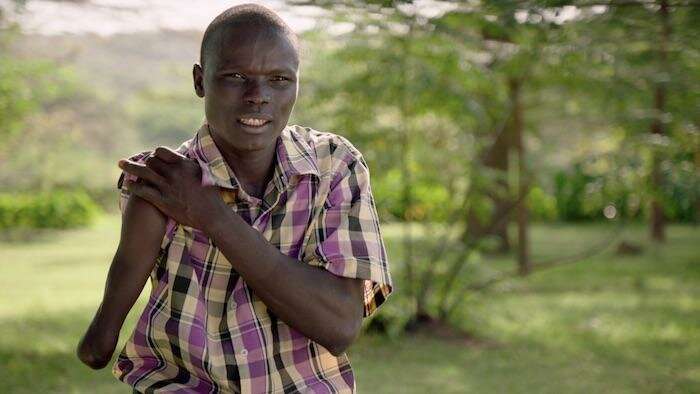
A new World Health Organization (WHO) strategy aims to halve the impact of snakebite, which affects 5.4 million people globally each year, kills up to 138,000 and leaves 400,000 suffering permanent physical and psychological disabilities.
University of Melbourne snakebite expert David Williams, who heads the Australian Venom Research Unit, has played a key role in developing the strategy in his position as Chair of the WHO’s Snakebite Envenoming Working Group.
In India alone, snakes bite more than 2.8 million people each year, causing an estimated 46,000 deaths. In Africa, snakebite kills about 32,000 people annually and leaves tens of thousands more with permanent disabilities.
The WHO-led strategy is the first global plan to minimise snakebite’s huge health and socio-economic cost. It aims to reduce the death and disability burden by 50 per cent by 2030, through a comprehensive strategy that includes delivering up to three million effective snakebite treatments annually.
The strategy, outlined in a paper by Dr Williams and colleagues in the latest PLOS Neglected Tropical Diseases, aims to:
- Ensure safe, effective and affordable treatment for all
- Empower communities at all levels to take proactive action
- Strengthen health systems to deliver better outcomes
- Build a global coalition of partners to coordinate action and mobilise resources.
Dr Williams said tackling the considerable challenge of snakebite required a globally coordinated effort combining political, technical and financial support from countries, development partners, philanthropists and other stakeholders.
He said concerted action by governments and other stakeholders had generated the political support to elevate snakebite to the WHO’s neglected tropical diseases list. Advocacy by the University of Melbourne-based Global Snakebite Initiative, Médecins sans Frontières, Health Action International and the US-based Lillian Lincoln Foundation had been crucial in raising the profile of snakebite and driving the campaign for UN Member State support of WHO action.
“WHO’s snakebite envenoming road map, which will be officially launched in Geneva on 23 May, presents the first truly global strategy developed to reduce the tremendous burden of human suffering caused by snake bites,” Dr Williams said.
Dr Williams said the Working Group — a global team of 28 experts — had proposed a strategy that confronted the problem in all affected countries and emphasised integrating the response into overall efforts to improve the world population’s health.
He said the road map’s successful implementation depended on WHO receiving funding support from countries, donors and development partners.
“Investing in this work not only benefits victims of snakebite, but also works to improve health systems and health outcomes for whole communities, amplifying the impact and value of this approach,” he said.
“The plan calls for snakebite envenoming to be incorporated within national and regional health plans and aligned with global commitments to achieving Universal Health Coverage and the Sustainable Development Goals,” Dr Williams said.
More: Science Daily