Loss of Fertile Soils a food security risk, Is India Prepared ?

0
892
barren-farmland-indianbureaucracy-india- punjab farmer

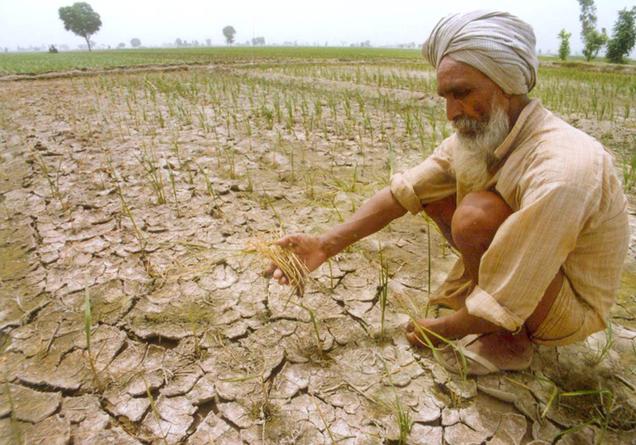
India is losing 5,334 million tonnes of soil every year due to soil erosion made worst by excessive and mindless use of chemicals like fertilizers, pesticides and insecticides. The rate of loss is 16.4 tonnes per hectare every year, as per study conducted by Central Soil Water Conservation Research and Training Institute (CSWCRTI), Dehradun. About 1 mm of top soil is being lost each year with a total loss of 5,334 million tonnes annually due to soil erosion, Minister of State for Agriculture K. V. Thomas had said in a written reply in Rajya Sabha in 2010….

It takes 2,000 years for nature to produce a 10-centimeter (4-inch) layer of fertile soil that holds water and nutrients, and where plants can grow. Massive amounts of fertile agricultural land are lost every
top-soil-indianbureaucracy
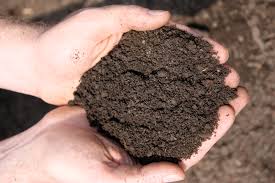
year. Yet we depend on this topsoil as the basis for feeding the world. So, what needs to be done to assure healthy soils and thus food security? The number of organisms living in a handful of soil outnumber all humans on the planet. They ensure that the humus layer stores nutrients and water.

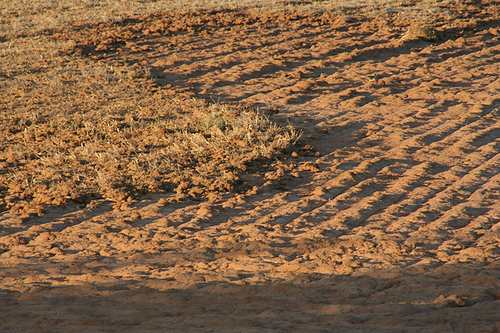
After oceans, soils represent the planet’s largest carbon bank. Soils store more carbon than all the world’s forests combined. Depletion of the soil through deforestation, over-fertilization and overgrazing can turn land into desert. Climatic factors like drought become a catalyst in a chain reaction – that is set in motion by human activity.

According to official sources in China, nearly one-fifth of agricultural land there is contaminated. Whether resulting from industrial leakage, disaster or weapons, or from years of over-fertilization: once soil is contaminated, fixing the damage is costly and time-consuming; do we still want to follow in China’s footsteps ?
top-soil-loss-indianbureaucracy

To protect fertile soils worldwide, the United Nations declared 2015 International Year of Soils.

Read more: http://www.dw.com

IndianBureaucracy.com hopes and prays that the Indian Government take very urgent remedial steps to insure and save the soil and food growth.

Previous article1st meeting of National Medical & Wellness Tourism Promotion Board
Next articleAnglers’ gear, cooperation affect coral reef fisheries
Saurabh
Saurabh Sinha, Editor of IndianBureaucracy.com, is known for his credible, precise and insightful coverage of governance, civil services and administrative developments in India. Under his leadership, the portal has grown into a trusted national platform for accurate updates, appointments and policy movements within the bureaucratic ecosystem. Saurabh’s strong professional networking and deep understanding of government functioning enable him to present timely, reliable and well-contextualised information to readers across sectors. As a thought-driven editor, he promotes informed dialogue on governance reforms while maintaining high editorial standards. His calm, consistent and detail-oriented approach continues to strengthen the portal’s reputation. इंडियनब्यूरोक्रेसी.कॉम के संपादक सौरभ सिन्हा देश की नौकरशाही, शासन व्यवस्था और प्रशासनिक गतिविधियों की विश्वसनीय तथा संतुलित रिपोर्टिंग के लिए जाने जाते हैं। उनके नेतृत्व में यह पोर्टल नियुक्तियों, नीतिगत बदलावों और प्रशासनिक खबरों का एक भरोसेमंद राष्ट्रीय स्रोत बन चुका है। शासन तंत्र की गहरी समझ और मजबूत पेशेवर नेटवर्क के कारण सौरभ पाठकों को समयबद्ध, सटीक और संदर्भित जानकारी प्रदान करते हैं। एक विचारशील संपादक के रूप में वे सुशासन, पारदर्शिता और सुधारों पर सकारात्मक संवाद को बढ़ावा देते हैं। उनकी शांत, सूक्ष्म और पेशेवर संपादकीय शैली पोर्टल की प्रतिष्ठा को लगातार मजबूत कर रही है।